

Over the weekend I worked a shift in a notorious part of Downtown Dallas, Deep Elum. My shifts in Deep Elum consistently have had numerous cases that are rare to witness in the rest of Dallas. However, the case I want to discuss in this post was just a simple patient who got too drunk and vomited. We received the call for this patient just outside our clinic room in The The Factory music hall as we were working a concert that night. When my team and I arrived to assess the patient, a patron who was a nurse in the crowd had jumped in to help as well. She stated she was a nurse and gently pushed away one of our medics, and initiated patient care knowing we are there. The patient was about to puke, and the nurse put the patient on the right side, this was a critical error. Another medic and noticed this and we got aggressive, and she took over care and told the “nurse” – “thank you, but we got it from here please step back.” After I told her this, she did not budge, and I had to guide her out of there. As a team we were not able to initiate care first because as we were arriving to the patient, we saw the nurse get there first and put the patient on his right side.
The critical error of the patient leaning on his right side while puking could have led to choking as he was unconscious while puking. Leaving the patient to puke on the left side prevents aspiration of vomit and keeps an open airway. It also allows the stomach to be open as when an individual is passed out, they tend to breath from their diaphragm. The medical term for laying on the right side is known as left lateral recumbent or LLR. The origin of use for LLR is unknown today as it traces back to the ancient era, however, in more recent times there are numerous studies done that explicate the benefits of an individual from everyday life to even surgeries.
In the medical field, the left lateral recumbent position is often recommended for a variety of reasons. One of the main benefits of this position, as mentioned, is that it helps prevent inhaling vomit. When a person is in the LLR position, gravity prevents stomach contents from regurgitating into the esophagus and mouth, reducing the risk of choking and aspirating vomit.
Additionally, according to a study published in the Journal of Clinical Gastroenterology, LLR location may be beneficial for people with certain medical conditions. For example, people with gastroesophageal reflux disease (GERD) or heartburn may find relief by sleeping on their left side. This is because lying on your left side helps prevent stomach acid from flowing back up into your esophagus, reducing irritation and discomfort. Benefits include improved blood flow, reduced risk of snoring and sleep apnea, and less pressure on the liver and spleen. For pregnant women, lying on the left side improves blood flow to the fetus and reduces the risk of stillbirth.
In the case of drug overdoses or poisoning, laying an individual on the left side is recommended. It will help with preventing choking from vomit and keep circulations to the body to ensure proper blood flow to vital organs.
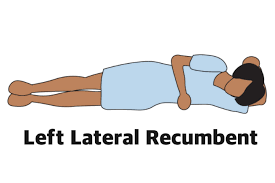
while the origin of the LLR position is unknown, there is ample evidence to support its benefits in modern medical practice. Many historians have traced its first uses back to the Ayurvedic methods and manuscripts by Hippocrates.


Leave a comment