
In my EMT job I frequently have cases that involve drug overdose, especially in downtown Dallas. Normally when we think drug overdose it would involve cocaine, methamphetamine, heroine or any mainstream narcotic. In this shift I faced a different drug, Ayahuasca. The band I was medical standby for was Heilung, a Germanic-Norse band that focused on folk music during the Iron Age. The music managers had warned us before the event started that Ayahuasca is a leafy green drug with psychoactive properties that functions similar to DMT. My team and I had prepared for high volume of patients and when we were called, we were ready.
Out of the many patients, we had one severe case. We were called to rescue a patient from the crowd, once we got him and brought him to our medical room, he had admitted to using ayahuasca and as I was taking vitals on him, he had passed out. Despite all my efforts in trying to wake him up he would not, it was as if he entered a deep state of coma. The patient still had a pulse, but his heart rate was rather low, especially since he was obese. We had him transported immediately as he needed further medical attention elsewhere.
Our other patients had all the similar symptoms and signs such as syncope (fainting), nausea, and vomiting. Ayahuasca is normally taken in a controlled environment, however, a concert is not controlled especially since there is use of marijuana and alcohol – Mixing those with ayahuasca can be fatal. Ayahuasca can be an effective tool for fostering spiritual development and self-discovery, it’s crucial to keep in mind that it should only ever be used in a monitored and secure setting.
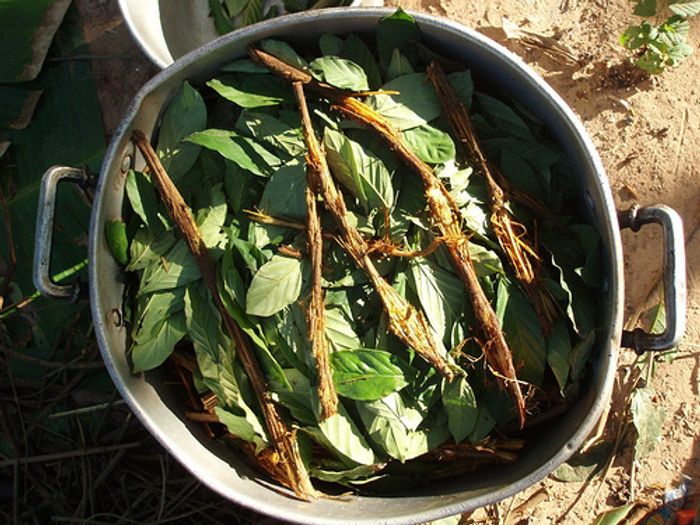
This blog’s historical bridge of art and medicine doesn’t plan on diving into the history of ayahuasca instead we will dive into the history of amanita muscaria. Ayahuasca is a drug that was used to enchase spiritualism in indigenous groups in the Amazon and Northeastern Latin America. Amanita muscaria and ayahuasca both have similar properties in increasing spiritualism, however, ayahuasca was never taken by the Iron Age Vikings instead they took amanita muscaria as their main psychedelic.
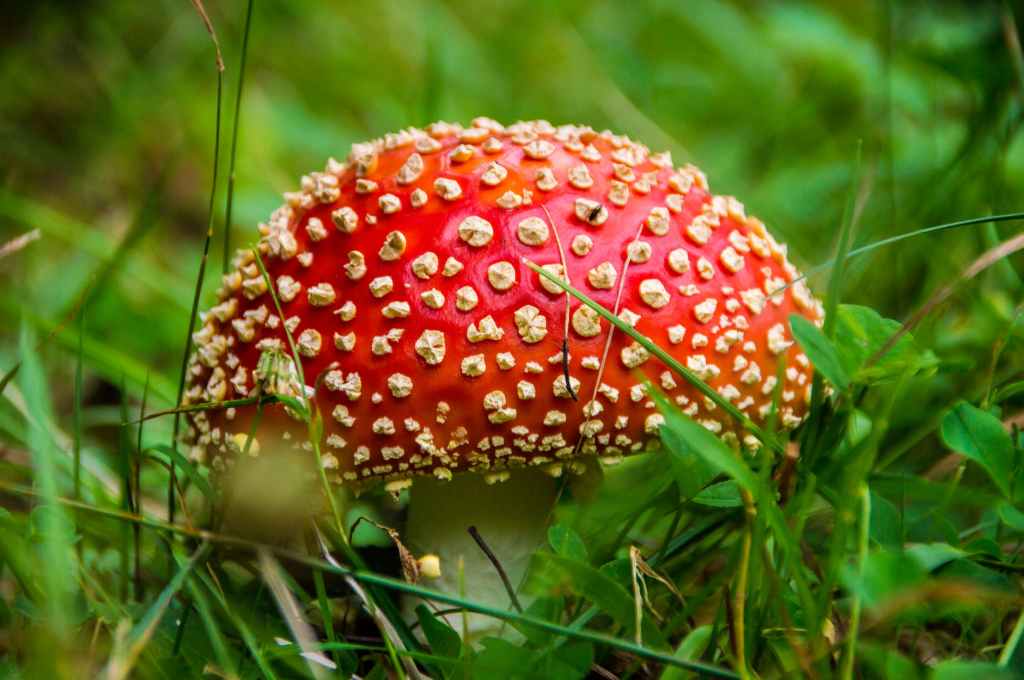
Amanita muscaria, also known as fly agaric, is a bright red mushroom that dates back to the Vikings of the iron age using it for its psychoactive properties. The exact reason of fly agaric use is unclear, but it is believed and researched that it was used to enhance battlefield capabilities. A study done in the University of Ljubljana in Slovenia that collected data testing the use of fly agaric reports that it did enhance fighting power and enabled fighters to have greater focus on the battlefield. Fly Agaric also had the potency to take away the human’s sense of “humanity and reasoning”. There is also evidence within this paper that suggested Amanita muscaria was used also as a form of divination or communication with gods. This would be the reason why the attendees at the concert used ayahuasca instead of fly agaric since, fly agaric does not grow in Texas because, the conifers in Texas are not suitable for its growth.
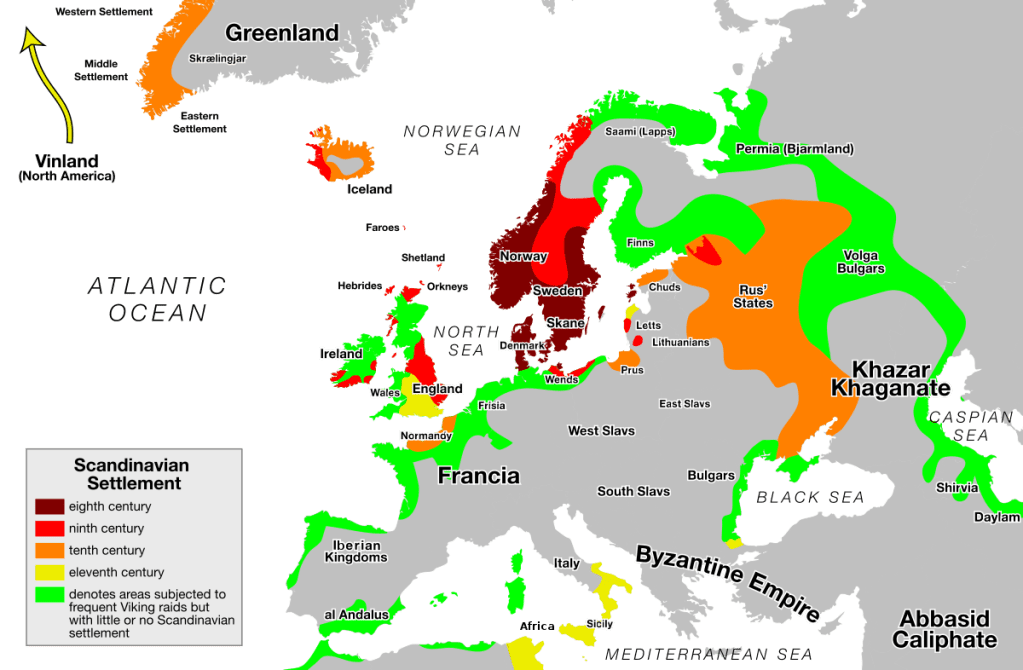
During the Iron Age the Vikings were very successful in their combat and expansion history, as they most likely used fly agaric to conquer lands beyond their home in Scandinavia. By the end of the ninth century, they had settlements in Germany and most of England. Vikings used tactics such as raids with ships that can move rapidly in shallow water which, allowed them to be successful. As the Vikings expanded, they encountered many civilizations such as the Byzantines, the Franks, and the Arab world. In the late 10th and early 11th centuries, the Vikings began to settle down and establish more permanent settlements.
Because the Vikings were able to conquer nations with fertile land while coming from Scandinavia, which is known to be a less productive, swampy, and chilly region, their conquest is notable. The Vikings’ burning desire to dwell in a location that is warm and fertile may have been the driving force behind their successful conquests, but the combat-enhancing Amanita muscaria may have also contributed to their success.
Sources:
The Colonization of the Ayahuasca Experience – Jstor Daily. https://daily.jstor.org/the-colonization-of-the-ayahuasca-experience/.
“Fly Agaric (Amanita Muscaria).” INaturalist, https://www.inaturalist.org/taxa/48715-Amanita-muscaria#Vikings.
panelKarstenFaturEnvelope, Author links open overlay, et al. “Sagas of the Solanaceae: Speculative Ethnobotanical Perspectives on the Norse Berserkers.” Journal of Ethnopharmacology, Elsevier, 9 Aug. 2019, https://reader.elsevier.com/reader/sd/pii/S0378874119322640?token=EE856F35C450C587A8EE47C5FEE0966847569985A20E1255B62AF3EC2912C9C1DBFC505DC64673F94EE3BE9D99BFB970&originRegion=us-east-1&originCreation=20230107031004.
 The Medical Humanist
Leave a comment