
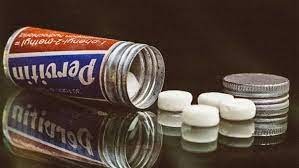
Methamphetamine, commonly known as “meth,” is a highly addictive stimulant that has a number of dangerous and potentially life-threatening side effects. Unfortunately, the abuse of this drug has become a significant public health issue in recent years, with a wide range of negative consequences for individuals, families, and communities.
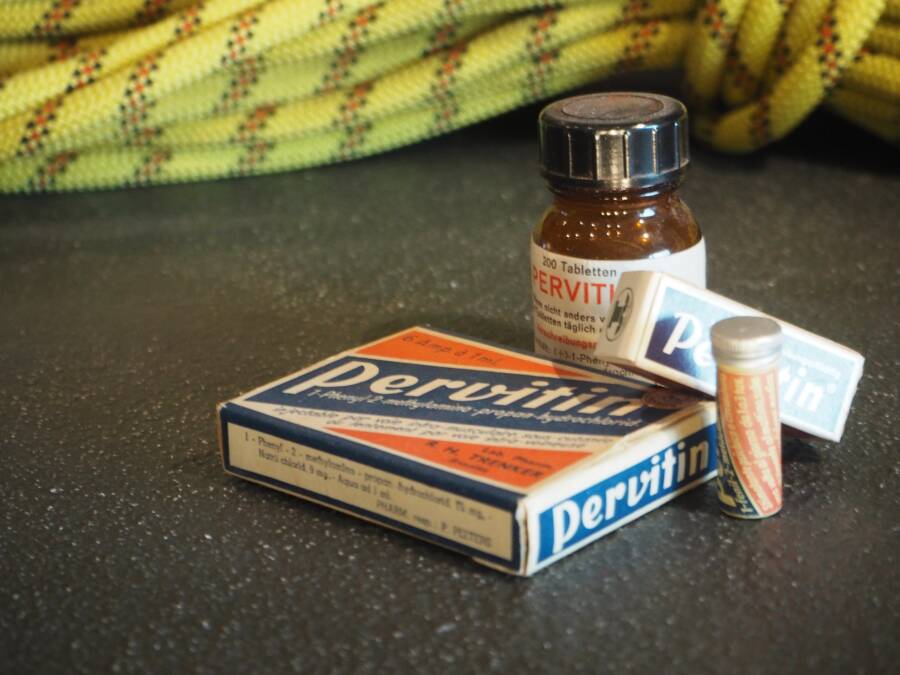
One aspect of the history of methamphetamine that is often overlooked is its use by the Nazis during World War II. In an effort to boost the performance of their soldiers, the Nazis administered methamphetamine to their troops in the form of a drug called Pervitin. This drug was distributed widely and was even included in soldiers’ rations. However, the consequences of this widespread use of methamphetamine were severe. Many soldiers became addicted to the drug and experienced a range of negative side effects, including psychosis, hallucinations, and violent behavior. In addition, the long-term health effects of methamphetamine abuse, such as cardiovascular damage and brain damage, were significant.
Today, methamphetamine is often used for recreational purposes and can be found at music festivals, clubs, and other social events. As an EMT, I have personally witnessed the consequences of methamphetamine abuse firsthand. I remember treating a patient at a concert who had overdosed on meth. The patient’s boyfriend had admitted they both took Methamphetamine, a common drug used at rave converts. Though the boyfriend was a little under the influence his girlfriend was clearly on a different level, everyone responds differently to drugs. It was a challenging situation as the patient had lost control of her bowel and had a heart rate of over 140. As a girl who approximately weighed 100 pounds, she needed hospitalization immediately. My team I worked with were eventually able to stabilize the patient and get her medical attention at an emergency room with an ambulance.
The history of methamphetamine abuse serves as a cautionary tale about the dangers of this drug and the harm it can cause. It is important for individuals and communities to be aware of the risks associated with methamphetamine and to work towards preventing its abuse. If you or someone you know is struggling with methamphetamine addiction, there are resources available to help. Seek out support from a healthcare professional or a substance abuse treatment center to get the help you need.
Aimo Koivunen was a Finnish soldier who severed in World War II in the Continuation War that was supported by the Nazis. Koivunen was one of the many soldiers who were given methamphetamine by the Nazis in the drug form of Pervitin. The goal of distributing Pervitin was to stimulate the soldiers to enhance their battlefield capabilities. Koivunen was the first soldier on record to overdose, enough to dose 30 people.
On March 18, 1944, Amio Koivunen was a part of a Finnish ski patrol and released that he and his team was deep behind Soviet lines and surrounded. When the Finnish troops realized this, they immediately scrambled and Koivunen was in charge of covering the snow tracks, which was grueling work. This job exhausted Koivunen and made him fall behind the rest of his group. To keep up, Koivunen overdosed on Pervitin to give himself a boost of energy and by chance he had kept the squad’s stock of Pervitin. He had taken 30 pills not out of stupidity, his gloves where too thick to take just one dose so instead he took them all. Koivunen started ski at a much faster rate than normal out running the soviets, he entered a blackout state, but he did not stop skiing. The next day when Koivunen regained awareness he had realized he had traveled about 250 miles and was still high under the influence. Due to his intoxication, he had a suppressed appetite and still a wealth of energy left in him. He skied another 50 miles avoiding several soviet regiments and even skiing over a landmine which injured him. As the days went on and his appetite came back to him as well as his high left him, he started to eat pine buds and ate a raw Siberian jay. Koivunen finally reached Finnish territory where he was admitted to the hospital and lived to tell his story. it was reported that when he arrived at the hospital his heart was beating 200 times a minute and reduced himself to mere 94 pounds.
As Marget MacMillian stated, “history can help us to be wise; it can also suggest to us what the likely outcome of our actions might be.” This saying is especially pertinent to my blog post about my patient and Aimo Koivunen, who both suffered the consequences of abusing methamphetamine. We can comprehend the risks of this potent drug better by looking at the history of meth and its effects on people and societies. My patient’s choice to use meth at a concert resulted in an overdose, necessitating immediate medical attention. Similar to Koivunen, whose Pervitin overdose during World War II resulted in a harrowing survival journey and long-term health effects. We can make wise decisions and work to prevent making the same mistakes again by taking into account the lessons of history.
Sources
Carlton, Genevieve. “This Soldier Pulled off WWII’s Most Incredible Survival Story – Thanks to a Huge Dose of Nazi Meth.” All That’s Interesting, All That’s Interesting, 15 Nov. 2022, https://allthatsinteresting.com/aimo-koivunen.
MacMillan, Margaret. The Uses and Abuses of History, Profile Books, London, 2010, p. 107.
 The Medical Humanist
Leave a comment