
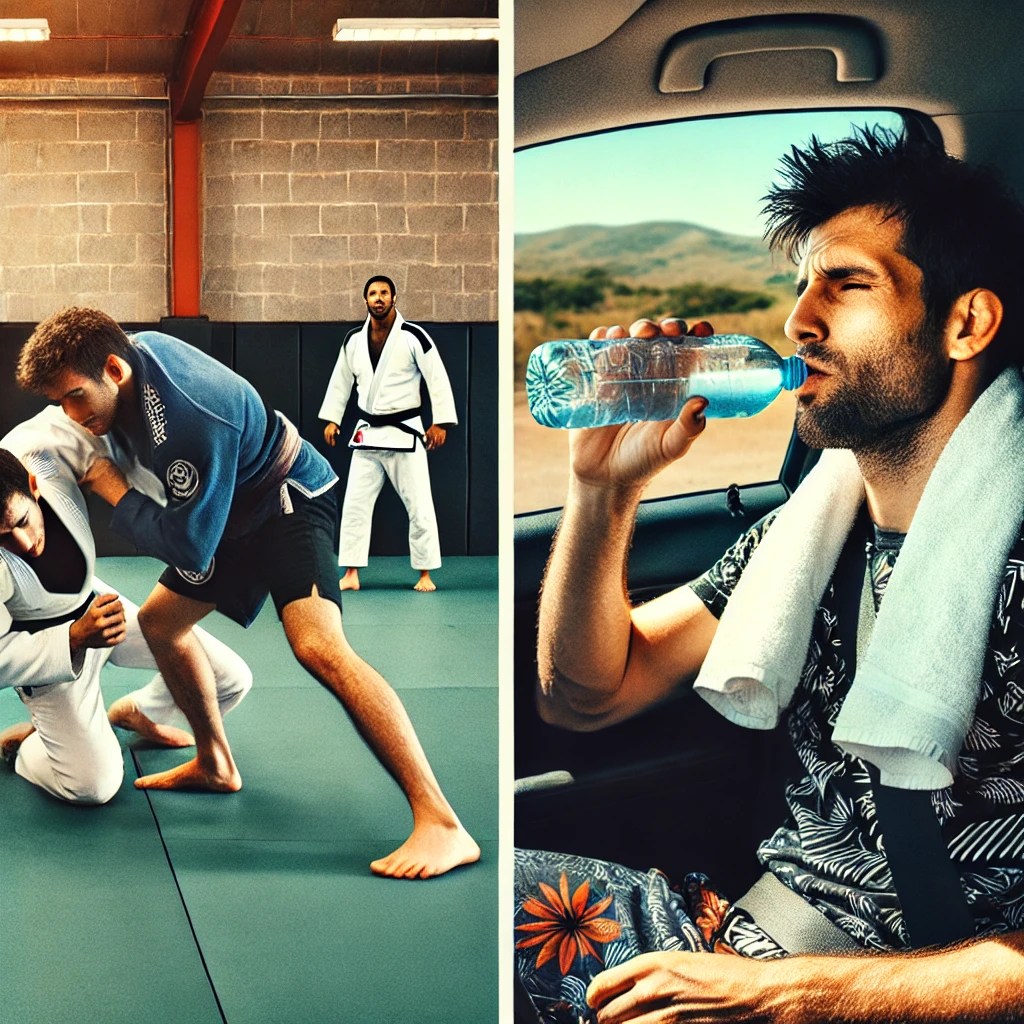
Although living and training in Texas has its advantages, I can assure everyone that the scorching heat is definitely not one of them. Immediately after an afternoon intense Jiu Jitsu session, you might think that the hard part is over and done with, but trust me, it is far from over for most people, including myself. Heading to class, work, or simply running errands, I notice my body does not cool down as quickly as I would wish. My sweat keeps pouring, my levels of fatigue are skyrocketing high, and my heart just won’t stop racing. What is going on here, and what can be done to manage this relentless post-workout strain?
Exercise and Core Temperature: A Closer Look
With exercising, our bodies tend to heat up, and due to the metabolic processes that ensue within them and as a result of that form of activity, quite a significant amount of heat is produced. Our muscles are producing energy and, therefore, thermal energy in a copious amount. The body automatically tries to lower its temperature during thermoregulation. Among the common mechanisms involved are perspiration and diverting blood flow to the skin surface to dissipate the heat. However, in a region like Texas where the ambient temperature is high, the body struggles to maintain core temperature. The temperature outside contributes to internal heat produced by exercising, thus driving your body’s cooling systems to an almost impossible functioning level.
Why the Sweating Doesn’t Stop: The Lag in Cooling Down
It takes quite a while for the body to go back to its base temperature even after you have finished your workout and stopped your strenuous efforts. The muscles go on producing heat for quite a time, and when the surrounding atmosphere is still hot, the process of cooling down becomes even further prolonged. This is specifically the reason why, even if you are sitting in an air-conditioned room, you find yourself continuing to sweat profusely after a workout. This delay in cooling is not only an annoyance but also a signal your body still faces thermal stress. The heart needs to work harder, pump harder, to get blood through to the skin to help cool the body up, thus raising cardiac output. This extra effort can make you feel exhausted even hours after you have stopped working out.
The Impact on Daily Activities: Heat Stress in Everyday Life
For those of us who train in the afternoons and then head out for the rest of the day, this persistent heat load can turn normal activities into exhausting challenges. Whether you’re sitting in a lecture hall or working a shift, the continued sweating and elevated heart rate can make it difficult to focus and perform at your best. The ongoing thermal stress also increases the risk of dehydration and heat-related illnesses, such as heat exhaustion or heat stroke. Over time, not allowing your core temperature to return to normal before engaging in more activities can lead to cumulative fatigue, impacting not just your physical health but also your mental sharpness and mood.
Understanding Thermal Physiology and Heat Stress Management
To manage this post-workout heat stress, it’s important to understand the basics of thermal physiology. The body’s ability to regulate temperature is a finely tuned system that relies on sweating and blood circulation. When these systems are overwhelmed, either by intense exercise or extreme environmental heat, the risk of heat stress increases. Heat stress occurs when the body’s core temperature rises to levels that are unsafe and can’t be adequately controlled by thermoregulatory processes. This can start with symptoms like heat cramps and progress to more serious conditions like heat exhaustion and heat stroke, which require immediate medical attention.
Mitigation Strategies: How to Manage Core Temperature Post-Workout
Over time, I’ve learned some effective strategies to manage my core temperature after a workout, especially during the hot Texas afternoons. Here’s what I do, and what you can do too:
- Blast the AC: As soon as I finish my workout, I head into an air-conditioned space. Creating a cooler environment helps to accelerate the heat dissipation process. If you’re in a situation where you can’t immediately access AC, seek out shade or use a fan to help cool down.
- Drink Cold Water: Hydration is key, but cold water offers the added benefit of cooling your body from the inside out. It helps lower your core temperature and replenishes fluids lost through sweating. Remember to sip water slowly rather than gulping it down, as this allows your body to absorb it more effectively.
- Limit Time Outside: I avoid spending prolonged periods outside until I feel my core temperature has dropped. This might mean delaying errands or rescheduling activities for later in the evening when it’s cooler. If you must be outside, take frequent breaks in shaded or air-conditioned areas.
- Cold Showers and Cool Compresses: Another effective method to lower core temperature quickly is taking a cold shower or using cool compresses on pulse points like your wrists and neck. These areas are where blood vessels are close to the skin, making it easier to cool your blood and, in turn, your entire body.
- Wear Light, Breathable Clothing: After your workout, change into light, breathable clothing that allows sweat to evaporate and heat to escape. Tight, synthetic fabrics can trap heat, exacerbating the problem.
The Importance of Recovery: Giving Your Body Time to Reset
Allowing your body to recover from all the heat stress is not only for comfort, but for long-term health. If you never give your body any time to cool down properly and keep pushing and pushing, then you really put yourself in danger of chronic fatigue, dehydration, or other heat-related illnesses. Long-term consequences can be pathological interference with athletic performance, immune response, and even cognitive function. Make sure to include adequate recovery time in your regime. Consider doing your workouts in cooler parts of the day, such as trying early morning or late evening, always allowing ample time afterward to cool down before jumping into one’s next activity.
Conclusion: Listen to Your Body and Respect the Heat
Training in the Texas heat is not for the faint of heart, but with the right strategies, you can manage the post-workout thermal stress and keep your body safe and functioning at its best. By understanding how your body reacts to exercise and heat, and taking proactive steps to cool down, you can prevent the negative effects of heat stress and maintain both your performance and health.
So, the next time you finish a grueling workout and feel the sweat pouring down long after you’ve stopped moving, remember—it’s your body’s way of telling you it needs more time to cool down. Listen to it, take the necessary steps to lower your core temperature, and respect the heat. Your body will thank you for it.
 The Medical Humanist
Leave a comment