
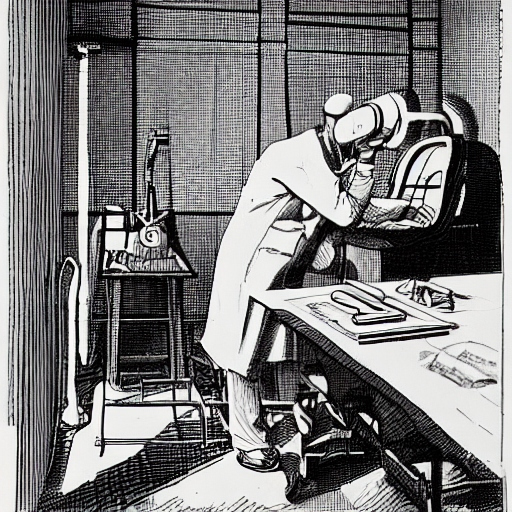
The recent experience of caring for a patient who underwent testicular cancer surgery underscores the delicate balance between medical advancement and empathetic patient care. This narrative intertwines the historical evolution of testicular cancer operations with the humanistic aspect of medicine, emphasizing the profound impact of caregiving on both patient and healthcare professionals.
The journey of testicular cancer treatment, particularly the surgical removal of testicles (orchiectomy), is a remarkable chronicle of medical evolution. Originating in ancient times, the earliest documented cases of orchiectomy date back to the era of Hippocrates in the 5th century BCE. However, the procedure was rudimentary, often performed in dire circumstances with limited understanding of cancer pathology.
Fast forward to the 19th century, the advent of antisepsis and anesthesia revolutionized surgical procedures, including orchiectomy. Surgeons like James Paget and Thomas Hodgkin began to understand the necessity of removing not just the affected testicle but also surrounding tissues to ensure comprehensive cancer removal.
In the 20th and 21st centuries, advancements in surgical techniques, coupled with a deeper understanding of testicular cancer’s pathology, have dramatically improved patient outcomes. However, with these advancements come the challenges of post-operative care, particularly in managing complications such as wound healing.
The resilience and spirit of a particular patient, who humorously requested a vape after engaging in discussions about Nintendo Switch games, highlight the importance of empathy in patient care. Despite the physical and emotional trauma of having a wound vac in place of his testicles and being confined to bedrest, his strong will and desire to return to normalcy were evident.
As a caregiver, the 12-hour shift spent ensuring his comfort – bathing him, providing clean blankets, and catering to his needs – was not just a duty but a lesson in human resilience and the power of compassionate care. The patient’s situation, a stark reminder of the fragility of health and the importance of quality medical care, also reinforces the value of patient-centered approaches in healthcare.
This narrative bridges the historical advancements in testicular cancer surgery with the indispensable human element of medical care. It’s a testament to how medical technology and human empathy must coexist to provide holistic care. As healthcare providers, we are reminded of our pivotal role in not just treating diseases but also nurturing the human spirit in its fight against illness.
 The Medical Humanist
Leave a comment