
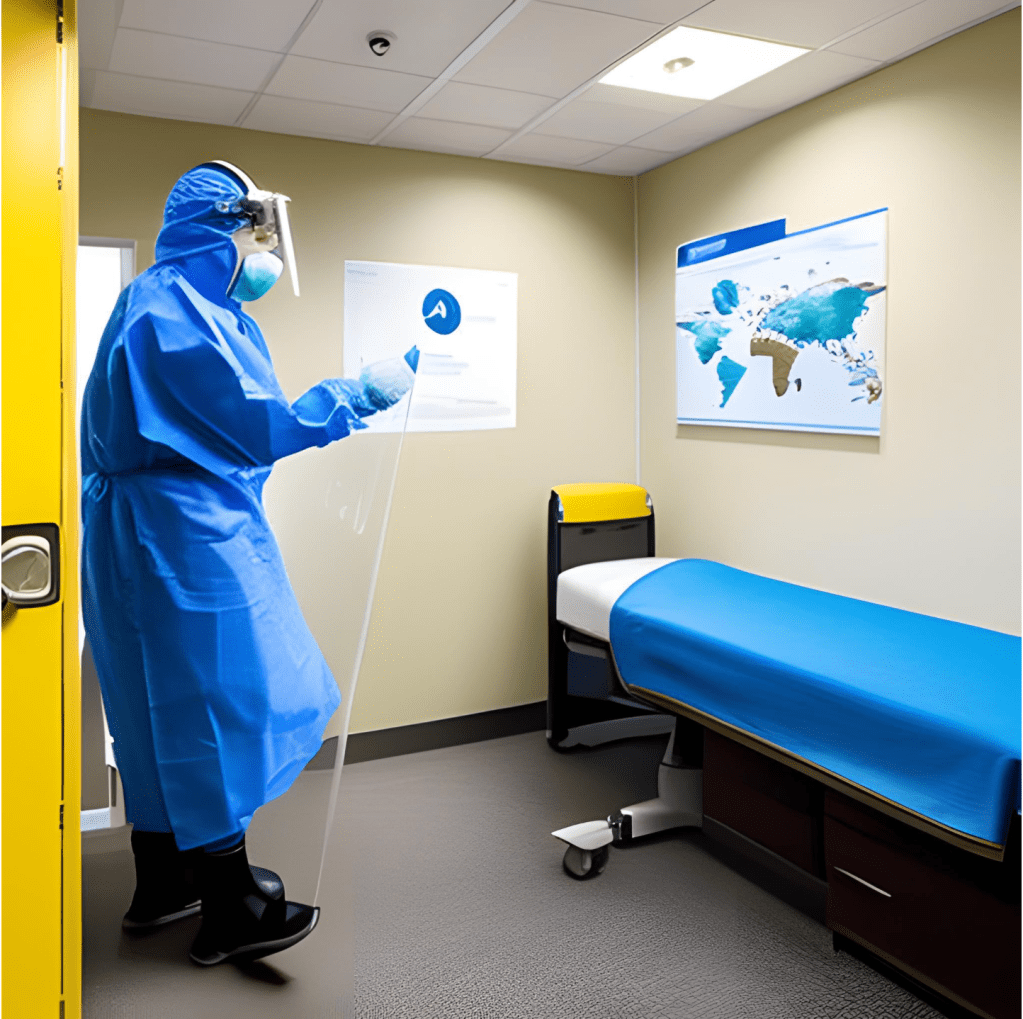
Today, we take a look at the complex world of MRSA (Methicillin-resistant Staphylococcus Aureus), an important public health problem that has grown significantly over the years. This article will build on the previous article on C. Diff, as this patient also has MRSA. Before exploring her story, let me recount my experience as a healthcare provider. In line with multiple layers of protective gear, my focus is single: provide the best patient care possible while minimizing the risk of this dreaded infection.
In 1959, methicillin, a drug, was introduced as a breakthrough, designed to fight infections with Staphylococcus Aureus that had become resistant to penicillin. But victory was short-lived. In 1961, just two years later, the first case of MRSA was reported in the UK, with devastating consequences in the medical community.
Originally, MRSA was mainly found in healthcare settings such as hospitals, particularly affecting people with weakened immune systems or undergoing surgery. Healthcare providers have had to put in place strict protocols, wearing masks, gloves, and gowns to combat this invisible enemy. In the 1990s, MRSA entered the community, infecting healthy people who had not been recently hospitalized. New community-associated strains often begin with a skin infection, but have the potential to progress to more serious conditions such as pneumonia.
Recently, MRSA has also been detected in livestock, complicating our understanding of how this pathogen is spread and making its control more complicated.
Hospitals around the world have stepped up infection control measures, isolated MRSA patients, and emphasized strict hand hygiene procedures. To address the underlying problem of antibiotic resistance, efforts have been made to promote responsible antibiotic use. Healthcare professionals are increasingly wary of prescribing antibiotics, along with public awareness campaigns about the dangers of overusing antibiotics.
Faced with the adaptability of MRSA, scientific research is no longer stagnant. Researchers are exploring alternative treatments, from new classes of antibiotics to innovative solutions like phage therapy and vaccines.
MRSA reminds us of the ever-changing nature of bacterial infections and the profound effects of antibiotic overuse. As a health and social care provider, the fight against antibiotic-resistant infections like MRSA continues – a challenge we must continue to face.
 The Medical Humanist
Leave a comment